Why you should take your kid off the grid with you (once in a while)
Sometimes we need time away from them, but sometimes they need time away from it all too.
While Youtube or Grandma give us a much needed escape every now and then, spending quality time with your child out amongst nature is scientifically proven to be a strong and positive impact for their physical, emotional and cognitive development.
Here’s a deeper look at why every child should have a bit of nature in their lives, supported by the science and a practical guide for how you can integrate it into their routines:
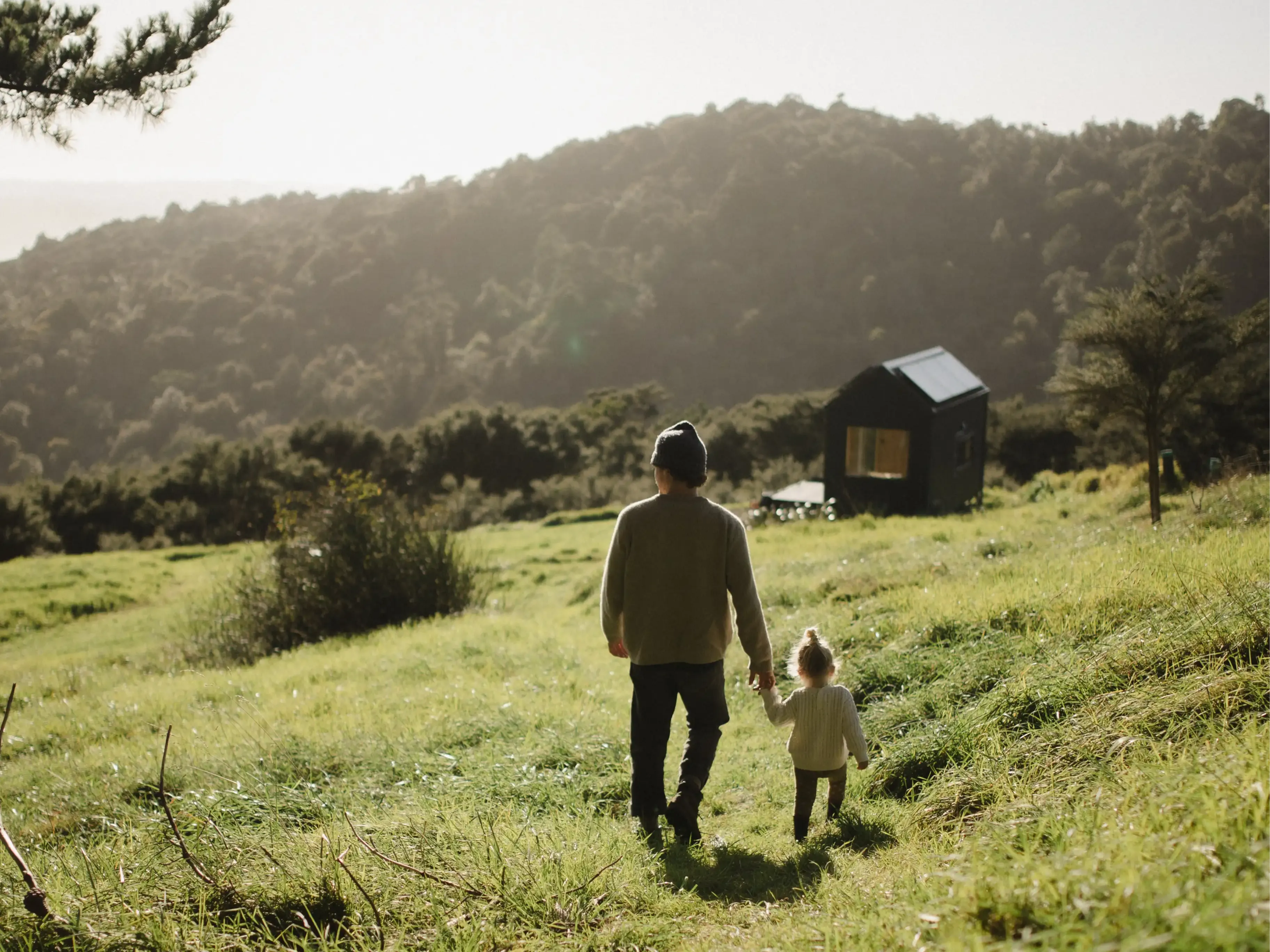
Scientific Benefits of being in Nature for Children
Enhances Learning Abilities: Time spent in nature is linked to improved academic performance. Research has shown that students at schools with more greenery, particularly those from lower socioeconomic backgrounds, perform better academically. Outdoor education, like science lessons in a school garden, has been found to be more effective than traditional classroom settings.
Restores Attention: Nature has a significant restorative effect on children's attention, helping them to concentrate better and perform more effectively on cognitive tasks. This is especially beneficial for children with ADHD or those who struggle with attention in the classroom.
Reduces Stress: The calming influence of green spaces can lower stress levels in children, improving their resilience. Holding classes outdoors has been observed to improve students' daily cortisol patterns, indicating reduced stress and better adaptation to stressors.
Promotes Physical Fitness: Physical activity in natural settings can enhance children's physical health, including improving their cardiorespiratory fitness. This not only benefits their physical well-being but also supports their academic achievement.
Fosters Social Connections and Creativity: Nature encourages social interaction, creativity, and a sense of community among children. Time spent in natural settings can lead to calmer, more socially safe, and enjoyable learning environments, enhancing peer-to-peer and student-teacher relationships.
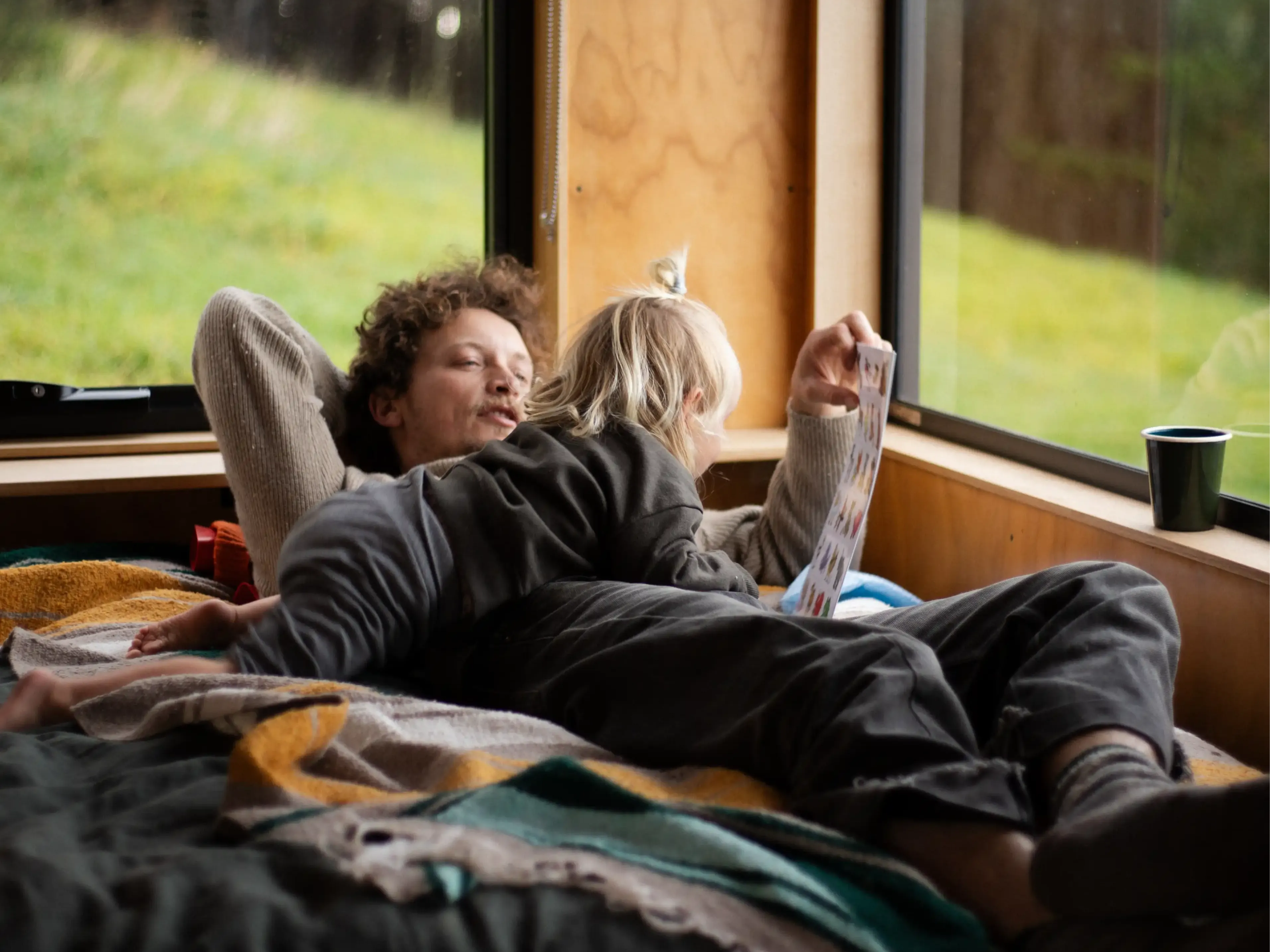
Getting Off the Grid with Your Kid - Unyoked Style
Pick the right cabin for you: All our cabins have a queen size bed, most of our community who take their kids either sleep one parent + one kid, or if your child is younger/smaller, fit two parents + one kid in the bed easily. You can see on our “results page” which cabins are Family Friendly too, these are ones with a milder walk in and a more mild environment around the cabin for safety purposes.
Be aware of the risks: While we still haven’t (touch wood) had any serious accidents to date and our sites are handpicked for security and safety, you are off the grid and need to be mindful of bugs, snakes and other things that might not be at your home and act responsibly with your child.
Pack mindfully: We unfortunately don’t have travel cots or nappies or nappy bins, but we do have books and games and rugs to lay down outdoors. And our Family Friendly cabins are handpicked to be our easiest to access, so if you need to bring a pram go for it. +1 to bring your carrier too, walking with the baby out in nature is chef’s kiss.
Foster curiosity: Instead of bringing tonnes of games and toys, look to encourage your child to observe and ask questions about the natural world. Simple activities like bird watching, collecting leaves, or identifying insects can spark curiosity and a lifelong love of nature.
Slow down and take it all in: If you’re lucky and your child is chill and/or you have a young baby, you’re in for a treat. The nature sounds and calm will do wonders for them and you as well. Sit back, relax and enjoy the mindful peace of our secluded locations.
By integrating nature into your child's life, whether it’s through daily observations or a trip off the grid once in a while, you're not only enhancing their physical and mental health but also instilling a deep appreciation for the environment and its wonders, something that’s all too needed in this day and age. Nature’s not just a backdrop for childhood adventures; it's a dynamic classroom that offers endless opportunities for discovery, growth, and connection.