Why you should spend time (in nature) solo
Spend some time with no-one but yourself…and enjoy it.
Modern life’s about connection. Connected to each other, our things and ourselves. Although, unfortunately, where at least one of those connections is between our watch and our fridge…we’d argue that while the quantity of connections have increased, the quality, well, they’ve decreased (unless of course your one of those who needs to pre-dispense crushed ice before they walk in the door, then, enjoy).
In our recent and relentless pursuit of being connected, we often overlook the profound benefits of being the opposite. In particular, of solitude and being alone in the natural world, where sometimes without the omnipotence of strong cell signal, we still have the opportunity to feel truly alone.
Engaging in solitary activities amidst nature isn't just a respite from this overconnection and demands emblematic of modern life; it's a crucial practice for our mental and physical well-being. Here, we explore the scientific behind the statement of “why you should spend time (in nature) alone” and provide a way you can put it into practice:
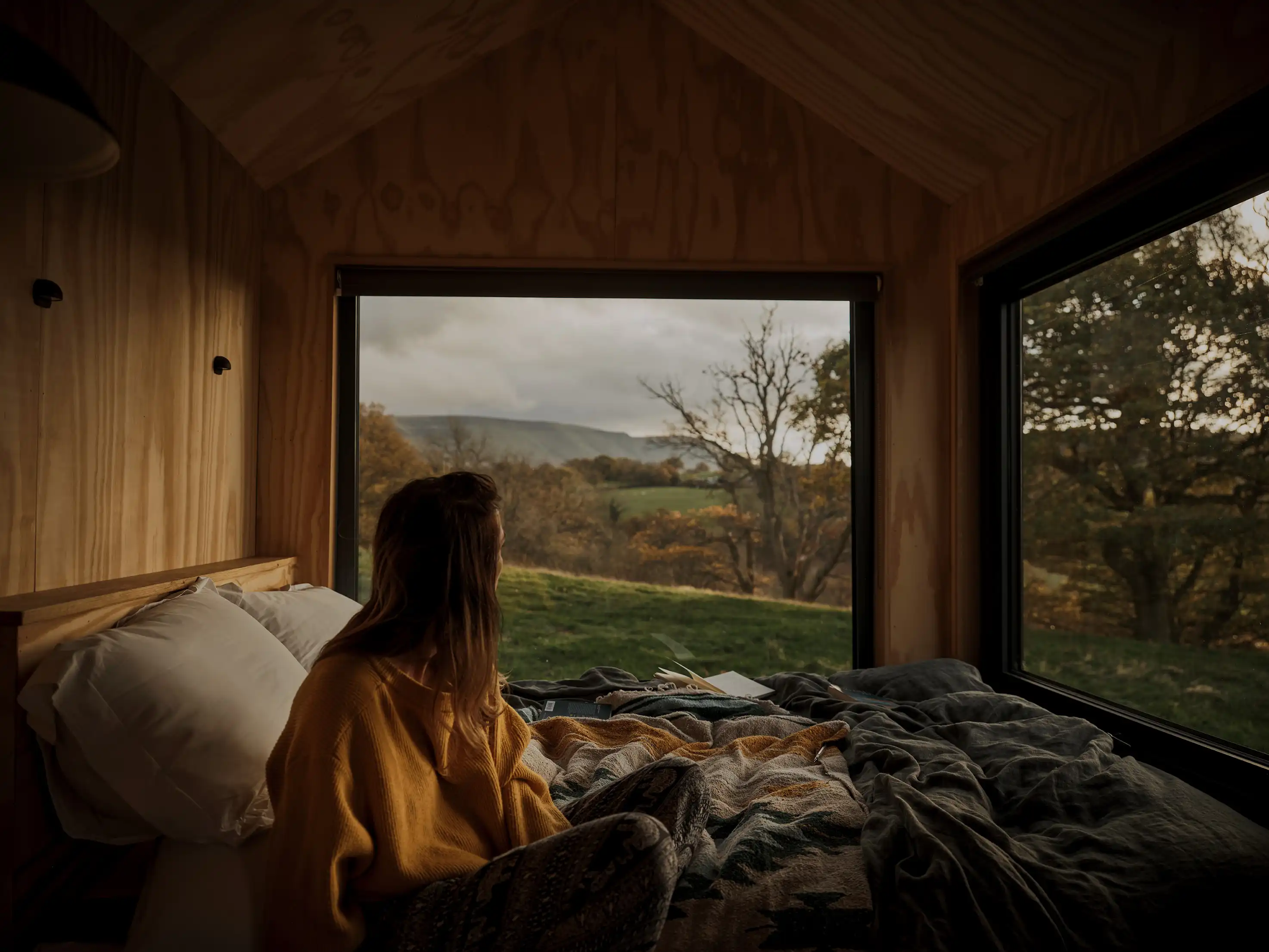
The Scientific Benefits of Spending Time in Nature Alone
Enhanced Mental Clarity and Creativity: Feel like you’re in a bit of a slump? Ditch the Uber Eats and get outdoors. Being in nature’s been proven to boost our creative problem solving skills by up to 50%, and recent studies have shown that periods of silence could significantly improve memory and concentration.
Reduction in Stress and Anxiety: We know it when we’re out there, but don’t put it into practice enough - spending time in green spaces (or simply viewing scenes of nature) reduces stress, anger, and fear while increasing positive feelings. Just one hour is proven to decrease our stress hormone (cortisol) by up to 20%.
Improvement in Mood and Self-esteem: Rest, especially in natural settings, let’s be clear, is a deliberate action that requires effort to fit into our busy lives, but its benefits for our mood and self-esteem are significant. Engaging with nature allows us to disconnect from the pressures of life, offering a unique form of rest that often feels like recharging a battery.
Fosters Independence and Personal Growth: While being alone with our thoughts is something most of us avoid at all costs, dedicating time to sit quietly with ourselves, in natural setting, gives us the opportunity to observe and process thoughts, feelings and emotions without judgment. This introspective practice can lead to clearer thinking and improved decision making.
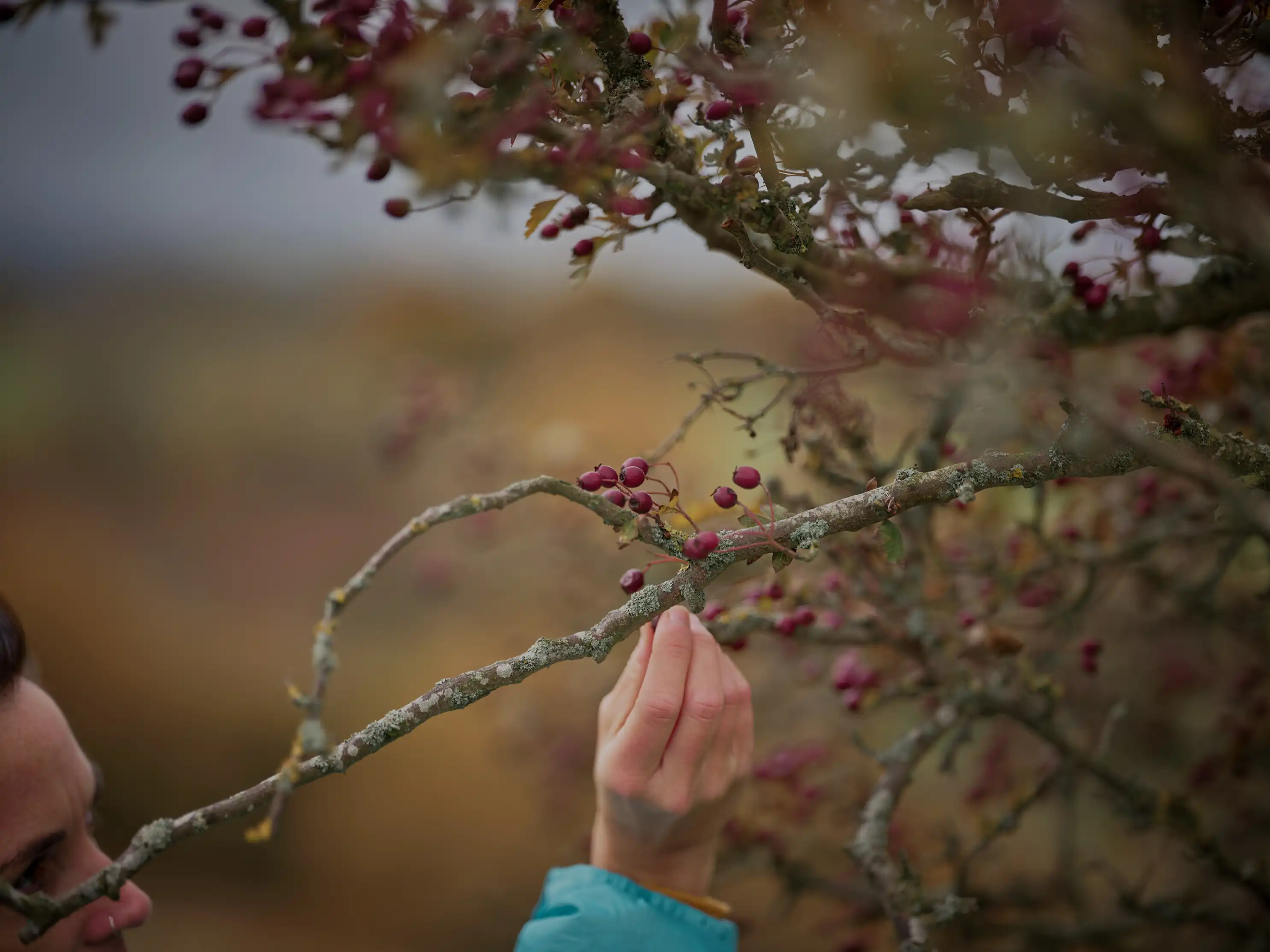
Putting It into Practice: Planning Your Solo Nature Retreat
Ready to type “BRB going full hermit” into that OOO? Don’t rush off just yet, to harness these benefits for yourself, here’s some simple steps to consider before you get started:
Choose Your Setting Wisely: Pick a location that resonates with you—whether it's a serene forest, a quiet beach, or a peaceful mountain trail. The key is finding a place where you feel comfortable, safe, and disconnected from the chaos of urban life.
Pack Mindfully: Bring essentials that will support your solitude without distracting you. This includes comfortable clothing, necessary food and water, a journal, some books etc.
Set Intentions, But Be Open: While having a goal for going solo is beneficial, such as seeking clarity on a particular issue or simply resting, remain open to the unexpected insights and experiences nature may offer.
Embrace Solitude Without Loneliness: Understand that being alone does not mean being lonely. This time is a gift you give yourself—a chance to reconnect with your inner voice and the natural world.
Practice Mindfulness: Engage deeply with your surroundings. Notice the details—the texture of tree bark, the sound of a nearby stream, the pattern of bird calls. Mindfulness enhances the restorative effects of your time in nature. Be calm with doing nothing for a while and feel the benefits.
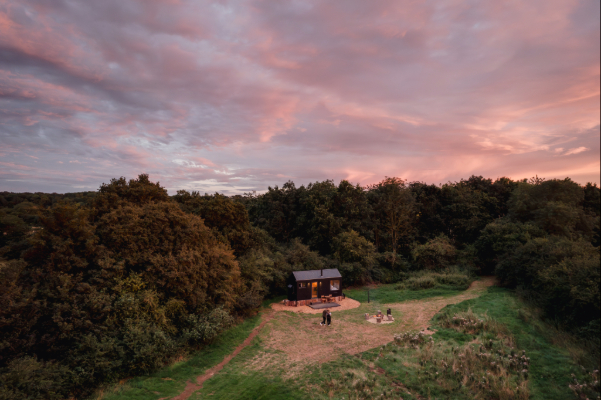
By embracing solitude and the vast yet comforting embrace of nature, we can reconnect with our inner selves and the world around us in profound ways often overlooked in the frantic pace of modern life. This practice is not just a luxury but a necessity in our increasingly connected and demanding world. Ditch the concrete and commitments once in a while and get off the grid by yourself, you’ll thank yourself for it every time.