Unblock your mind with a Think Week in nature
Productivity and creativity come naturally at Unyoked
So...what's a Think Week?
Believe it or not, Think Weeks are not a new invention. Business leaders and high achievers have been tapping into the potential of this model for decades, as a way of short-circuiting their standard operating procedure (aka the daily rut) and opening themselves up to thinking in new, often revolutionary ways.
Yes, you could easily just take a couple of days off from work, binge a bunch of bad TV and eat lunch in your pajamas. But that's unlikely to crack open those walls inside your brain. Instead, impressive men and women throughout history have headed for the woods to help facilitate deep introspection.
Why Nature?
Being in nature is proven to have positive effects on the body. This study found that it reduced feelings of isolation, promoted calm, and lifted mood among surveyed patients. These researchers from the University of Michigan say that nature-filled areas are packed “with intriguing stimuli that modestly grabs attention in a bottom-up fashion,” compared to urban environments.
Here's some other brill stuff a Think Week in Nature can do for you.
lower blood pressure
enhance immune system function
reduce anxiety and improve mood
promote calm
reduce feelings of isolation
Routine can set us up for failure.
We use regularity to make sense of our lives, whether in work, in love or in creativity, but routine is also the thing that gets us stuck. We preference daily tasks and familiarity over wide-scale ideation and thinking, the sort that comes up with big solves for ancient problems or brand new business ideas. Think Weeks exist to shake us out of this.
The likes of Twillo, Lululemon and Nike have already started investigating the positive effects of extended time away in order to formulate long-dormant thoughts. Think Weeks are times set aside to contemplate the things that matter, and to let solutions to big problems arise. Research over the years has proven that conducting a Think Week in nature is more likely to be effective.
Who does it?
The first Think Week was likely a project of noted transcendentalist Henry David Thoreau, whose Walden famously espoused the values of living life deliberately in nature to help spur on new ideas.
"I wanted to live deep and suck out all the marrow of life, to live so sturdily and Spartan-like as to put to rout all that was not life...”
In more modern times, tech and VC entrepreneurs have used time in nature to help hack their businesses, often to unearth new products, brands or verticals. Notable among these is Bill Gates, founder of Microsoft and one of the world's richest men - and largest philanthropists.
Here is Bill Gates’ definition of a think week:
One week at a time, for two total weeks devoted to reading sessions each year.
No computer/phone access — even better if there’s no wifi. No TVs, either.
Minimal time spent anything but reading, thanks to a caretaker who brings him meals. An isolated cabin in the woods as the ideal setting
Many popular Microsoft initiatives and products were born of ideas Bill Gates had during these retreats.
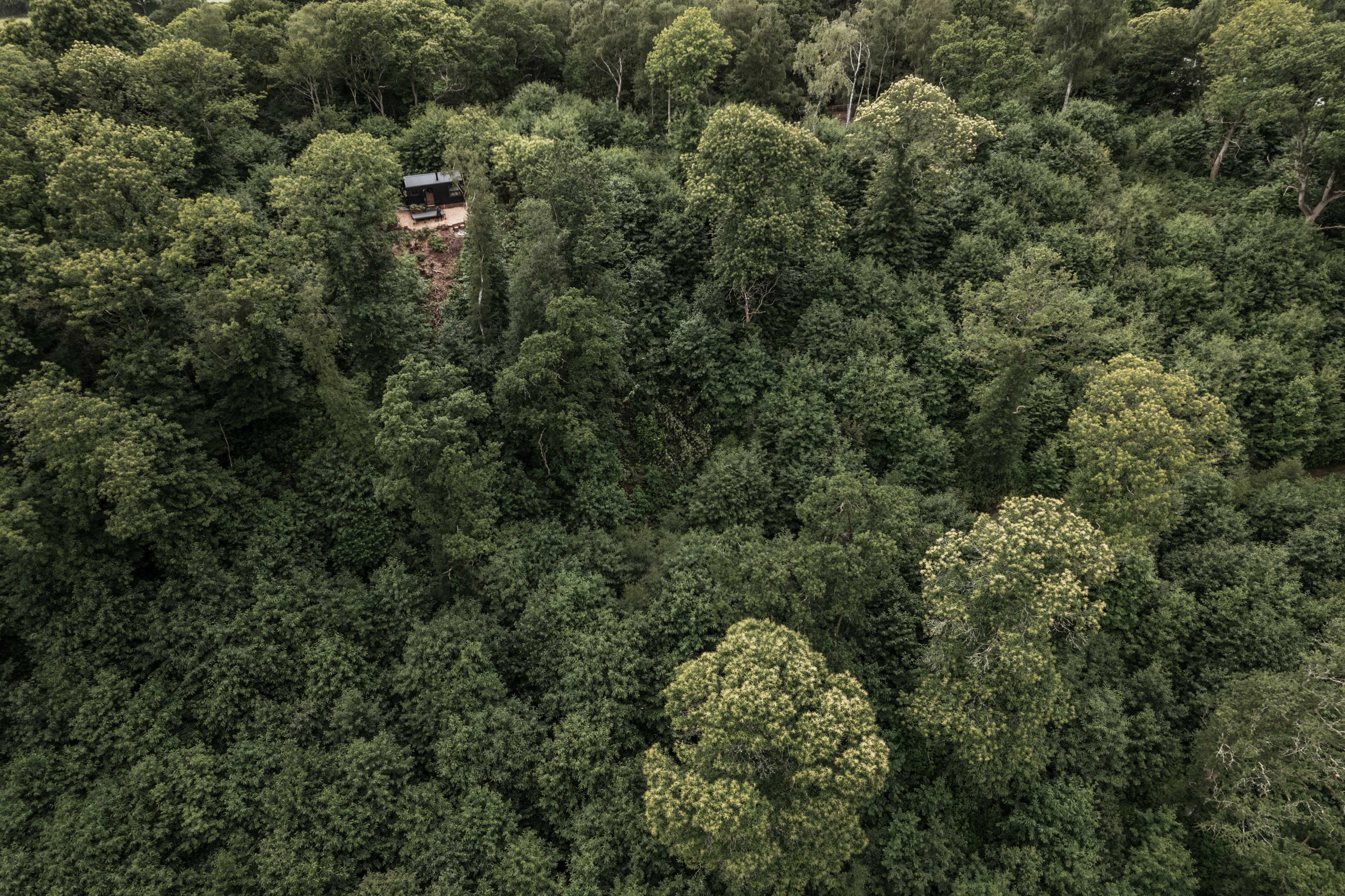
"I sat there for about 3 or 4 hours and literally came up with the key concepts for my entire book. Just being there, looking out at that expanse of nothing was the breakthrough I needed" - Tim Duggan, author and media entreprenuer
How to get started
1. Remove all distractions. Go alone, decline meetings, have little to no email and reception only if absolutely necessary. 2. Pick a theme. Come up with areas you’d like to explore - decisions, ideas, macro-trends, whatever. 3. Have a set routine. Go to bed by 9pm and be up by 5am. Use the morning to read, journal, meditate and run. Have a cold shower to top if all off. (Don't worry, we've also got hot water.) 4. Plan nothing for day one. It often takes a day to disconnect from the pressures of modern day living. It’s a good idea to spend that first day going on a hike, picking up groceries and reading a good book (unrelated to work). Our Anthology can help with that.