'Mindfulness is not just for monks'
Natalia Bojanic enhances her perspective out in nature
Natalia Bojanic is one impressive boss lady. A corporate meditation coach and co-founder of plant-based protein company, Form Nutrition, Bojanic has taken a slightly off-piste path to success. She's gone from helping sell luxury cars and handbags to helping many of those same brands achieve their own wellness objectives. But as she tells us over green smoothies at 180 The Strand, a lot of it has to do with tackling burnout head-on and finding new ways to let her creativity flow, especially when that's out in nature.
Unyoked: I was reading that before you actually started Form, you worked for LVMH and brands like that. Those are very high pressure career choices. What happened? What was it that made you step away from from working in those kinds of brands?
Natalia Bojanic: It's interesting that you say that. It was high pressure, you know, a lot of hours. So before I started my business, I used to be a comms director in a small luxury communications agency. And I was working for brands like Land Rover, Aston Martin, Piaget, Hublot, Tag Heuer.. so I had about like, 10 accounts that I was overseeing. But it was not just the fact that you were always on demand. But it was more the fact that as a communicator, I felt I was not really sharing a message that resonated with me. Like, I was working for these car brands and I don't have a driving licence. Always a good start. It felt you know, it felt a bit empty. And then there was a surge inside of me, and especially when you start going to this route of self development, and you go to different courses, you go more to yoga, you meditate, and all of that. And I heard someone saying that if you were doing something that you're not passionate about, this is a slow form of suicide.
Heavy. And very true. And you know, I still get like, goosebumps when I say that, because I was killing myself. The interesting thing is, you can go into your office and say, 'No.' These days, I actually work harder, more hours. But I don't feel depleted as I used to feel before. So I remember when I was specially in this transition moment. Because when I left my job in PR, everyone just thought I was going mad. I didn't have a plan. It was not that everything was laid out in front of me.
But still, you were burned out. I think yes, there is a sense of being burned out. But the burnout also happens when you don't feel a deep connection and meaning to what you were doing. The other side of the coin is when then you when you have your business, when you do what you're truly passionate about, you also have like to be really careful to not go beyond. So just as an example, I've been working for the past four weekends, like non stop.
I think it was a Zen master who says that nature doesn't rush, but it accomplishes everything
Obviously, you teach at a corporate level, teaching other people about mindfulness. What you're describing to me, is almost like a reverse mindfulness where you're applying it to other people, but not necessarily having the time to do it for yourself. I think that's one of the misconceptions around mindfulness. And I think that's precisely why I want my clients to resonate with me, because I'm very real with them. I know how hard it is, I'm not like a hippie person, who has no responsibilities, just telling them to chill out. I know that's not realistic. But at the same time, I do protect my practice. When I have all these stresses, I'm able to keep my cool, I'm able to keep collected, in order to achieve all the things I have to achieve. I'm present with what I'm doing instead of being distracted. So I'm more efficient with my time. And another important element of mindfulness to have compassion. So I'm not a perfectionist. I'm not someone who wants everything to be done. And if I'm not able to have inbox zero, or if something didn't go the way I wanted to go, I'm able to be kind to myself. So mindfulness is not always necessarily about slowing down and relaxing; it's also about cultivating the ability to remain alert and calm, even though when a lot of the things are happening. And that's precisely why it's such an important thing for the modern day. A lot of people tend to think of these things are for monks. No, no, no, my friend. These things are very needed right now for especially when people are so disconnected from themselves, because our senses are being assaulted by like so many different things. So how did you find being completely removed from everything and being in the middle of the forest? Pretty much no phone reception whole weekend by yourself? Do you think it can be amplified by being in natural spaces? What do you think nature does for us in that respect? I think nature is magical, right? And I think it's, it's just unbelievable how healing it is to expand. And the switch is almost like this switch of listening to music. So you have might be in a low mood, and then like, a tune that you like, yeah, comes in radio, and that lifts your mood immediately. And I think nature has that effect, but it's amplified. I remember, you know, as soon as you park the car, you leave your worries behind. I think when we are in the city, we were very narrow with our vision space. We're very narrowed within our worlds and nature, with its grandiosity – that’s the word yes? - gives you perspective. It also makes you realise that you don't need a lot to be happy, right? Yeah. And, and the simplicity, how simplicity can be a great source of contentment. And for me, it's just like a reminder. I know these things, but it's just so easy to forget when you are wrapped around deadlines or demands. And you know, there is so much to do. So I went on a Monday and came back on a Wednesday.
When we are in the city, we are very narrow with our vision space. Nature, with its grandiosity, gives you perspective.
So was it a space that kind of allows you to to connect the dots in a way? I think nature helps your creativity to flow, because I have a friend who codes, and she says that you cannot force brilliance.
That makes sense. And I think probably that this time in nature helps you put this into practice, like not forcing brilliance, but you know, allowing it to happen. There is a Zen master who says that nature doesn't rush, but it accomplishes everything. So it's also a good way of like reminding yourself, okay, you know, the other seasons that are the times and you just have to respect that and just push through it. True, the way that things grow and move and replenish themselves. It's a good point. You’ve dealt with a lot of corporates in your current line of work. Do you see any of them using nature or using green spaces as part of their employee benefits? With regards specifically to nature, you do hear of people going from walks in the parks - London, especially has beautiful parks, green spaces that you can take advantage of. You hear people like going hiking, but I really do not think it's enough. People sometimes go to the countryside on the weekend, but where I see huge potential in what on Unyoked is bringing to the UK, is to take that need for nature to the next level. Really is not just like a walk in, in a park. It's not just a weekend that you spend in a hotel that is in the countryside, but it's actually removing everything. And it's stripping down the things that are not necessarily for you to truly immerse yourself with nature. And I don't think at least I'm not familiar with, and I haven't heard of a lot of people doing that.
--
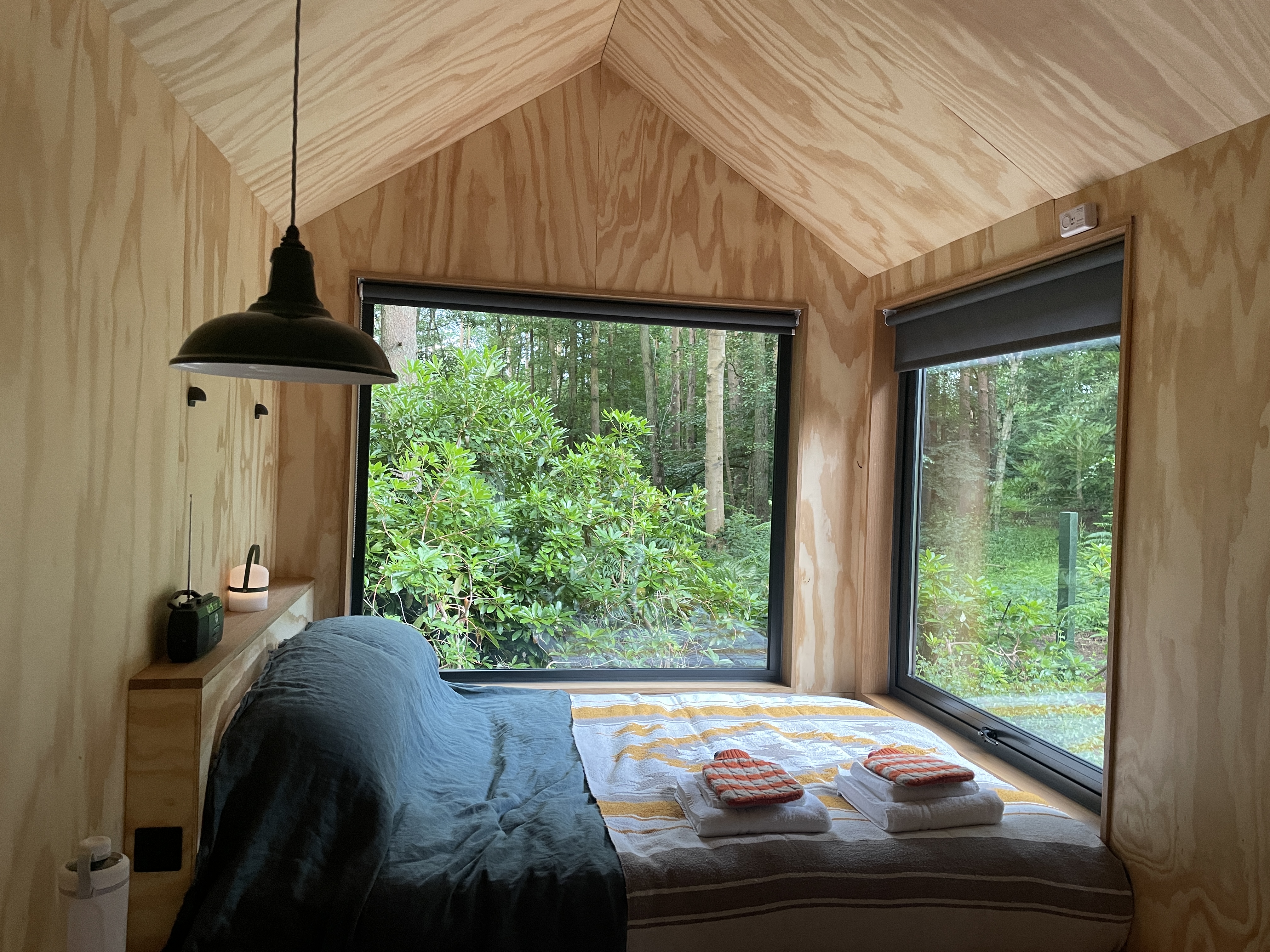
Natalia had her first nature session at Rex, open now and only an hour or so out of London. Get involved. You can learn out more about Natalia's journey - and Form Nutrition here.