Trees Calm You Down in More Ways Than You Think
What forest air, leafy patterns and your overactive brain all have in common
You don’t need a research paper to tell you nature makes you feel better. Ten minutes outside and your shoulders drop, the static dials down, and suddenly you’re not side-eyeing the barista for getting your order wrong. Trees do that.
What you might not know is that the shift isn’t coincidence, and it’s not just “vibes.” It’s your body responding to the environment in real, measurable ways. Stress hormones fall, immune cells kick up, your brain even stops looping that endless to-do list.
Here’s three ways trees actually calm you down and the science behind it.
1. They release chemicals that reset your immune system
Meet phytoncides. They sound like a 2000s metal band, but they’re actually airborne compounds released by plants to protect themselves from bugs, mould, and other threats. When you walk through a forest and take a deep breath, you’re inhaling them too. When you walk through a forest and take a deep breath, you’re not just smelling fresh air. You’re inhaling those very compounds. And they’re doing more than smelling nice. Studies show that phytoncides trigger a response in your body. Specifically, they activate natural killer (NK) cells; your body’s rapid response unit for fighting viruses and abnormal cells. One study out of Japan found that participants who spent time in a forest had significantly higher NK cell activity and levels of anti-cancer proteins even a week after their visit.
Phytoncides have been linked to reductions in cortisol (the stress hormone), improvements in sleep, and a general calming of the nervous system.
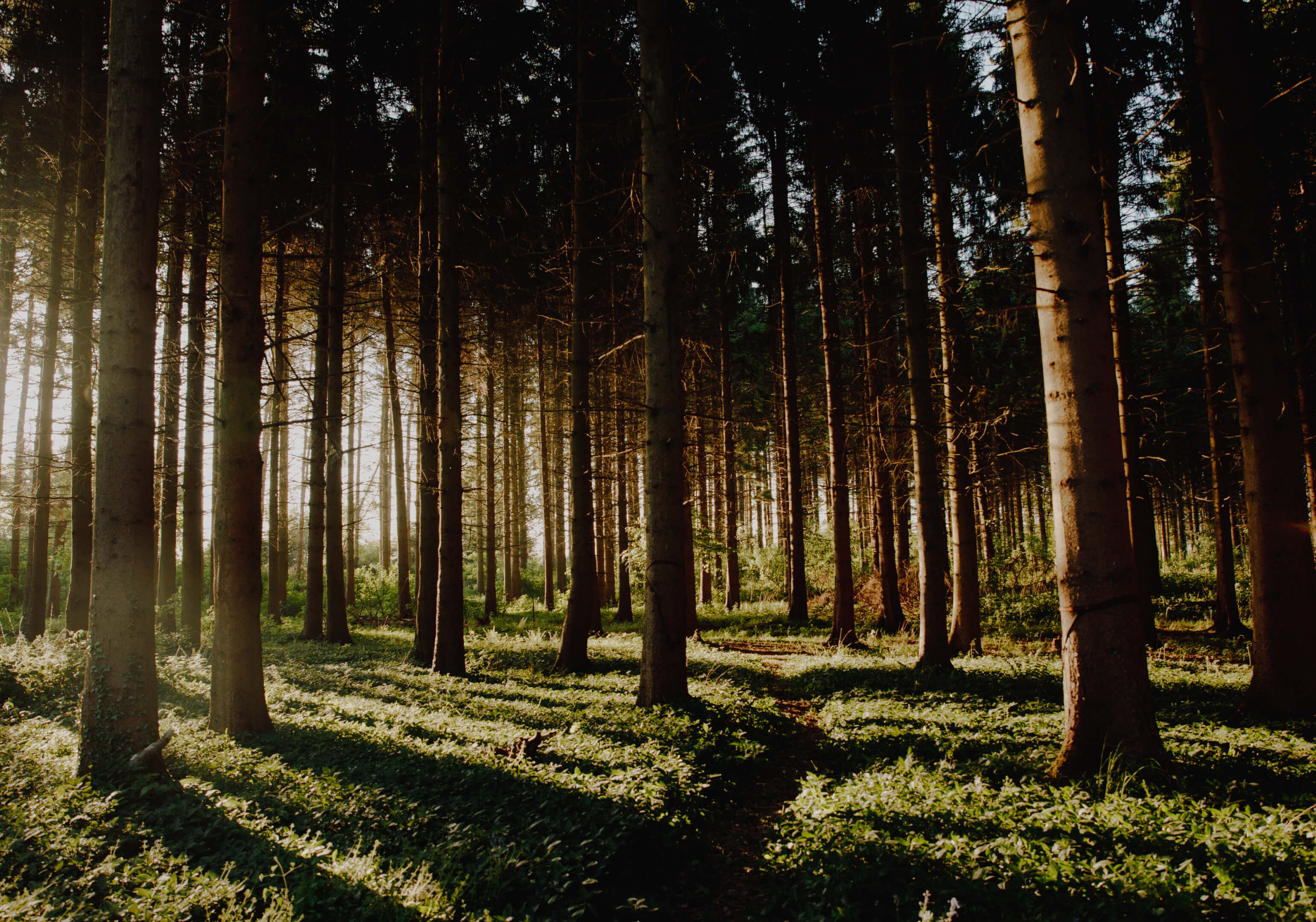
2. Their shapes and colours soothe your brain
It’s not just the forest air doing the work. The shapes and colours of trees change your brain too. The natural world is full of fractals; repeating patterns that scale up and down. You see them in the split of a branch, the veins of a leaf, the spirals of a pine cone, the bend of a river. Even clouds and mountain ranges follow fractal rules. A study out of the University of Oregon found that looking at fractals can cut stress by up to 60%. The idea is that your brain evolved with these shapes, so it processes them easily. That’s why staring at a forest canopy or watching waves roll in feels less like effort and more like relief.
Humans are also especially sensitive to green. We can see more shades of green than any other colour on the visible spectrum.
That ability developed because green meant something important: plants, fertile ground, water nearby. The more variation we could see, the better our chances of survival. We still carry that bias. Surrounded by a forest’s layers of green, the nervous system recognises safety. Our heart rate eases, cortisol lowers, and the body shifts into a calmer state without needing conscious thought.
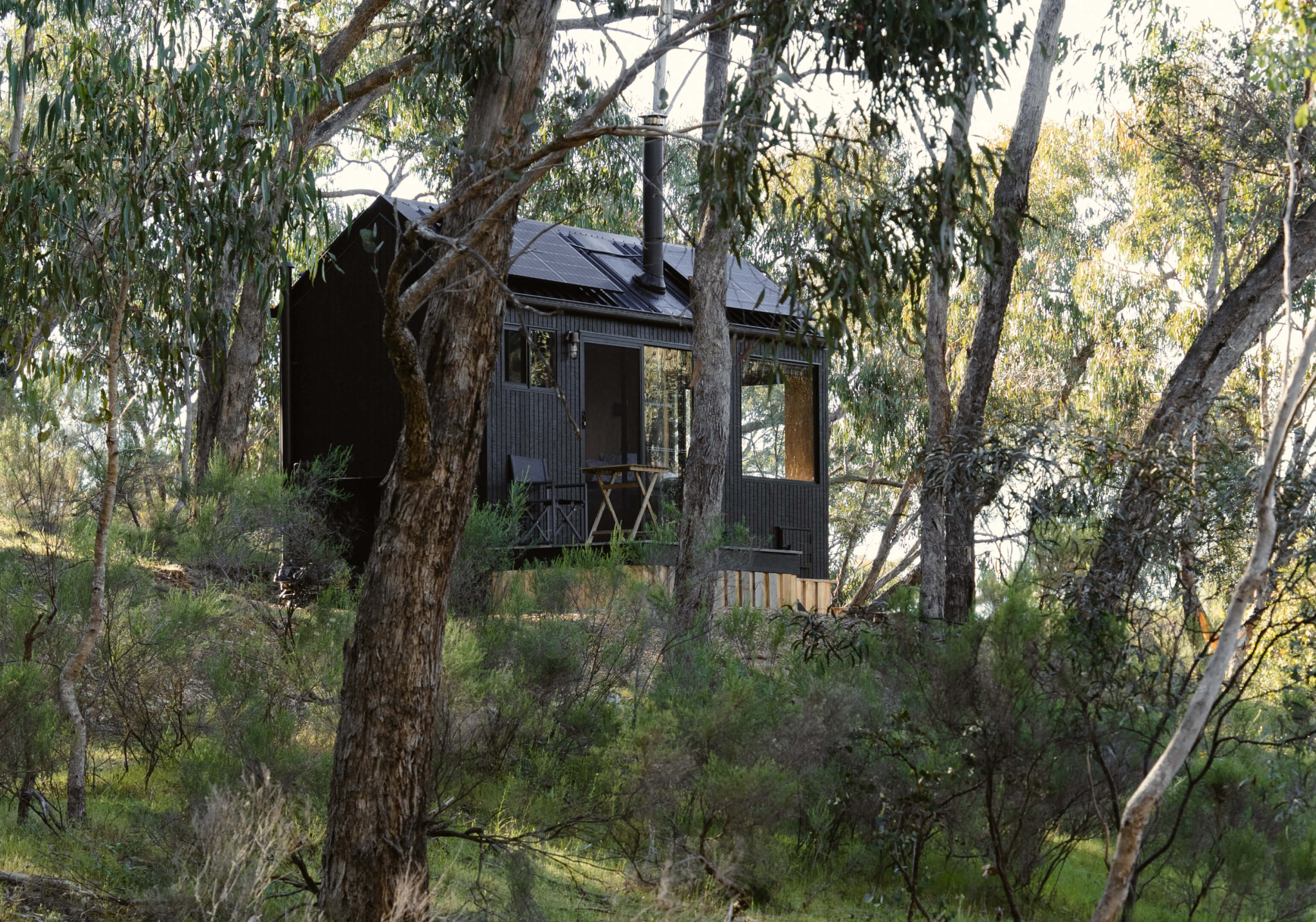
3. They help you stop overthinking
In a forest, your brain stops shouting over itself.
One of the main networks responsible for rumination and repetitive thinking is the default mode network. It kicks in when you’re reliving that awkward meeting or cycling through 74 versions of your to-do list.
A study out of Stanford found that people who walked in nature had noticeably lower activity in that network. They weren’t just more relaxed. Their brains had shifted gears.
Less mental noise. More awareness. A break from the endless internal refresh cycle.
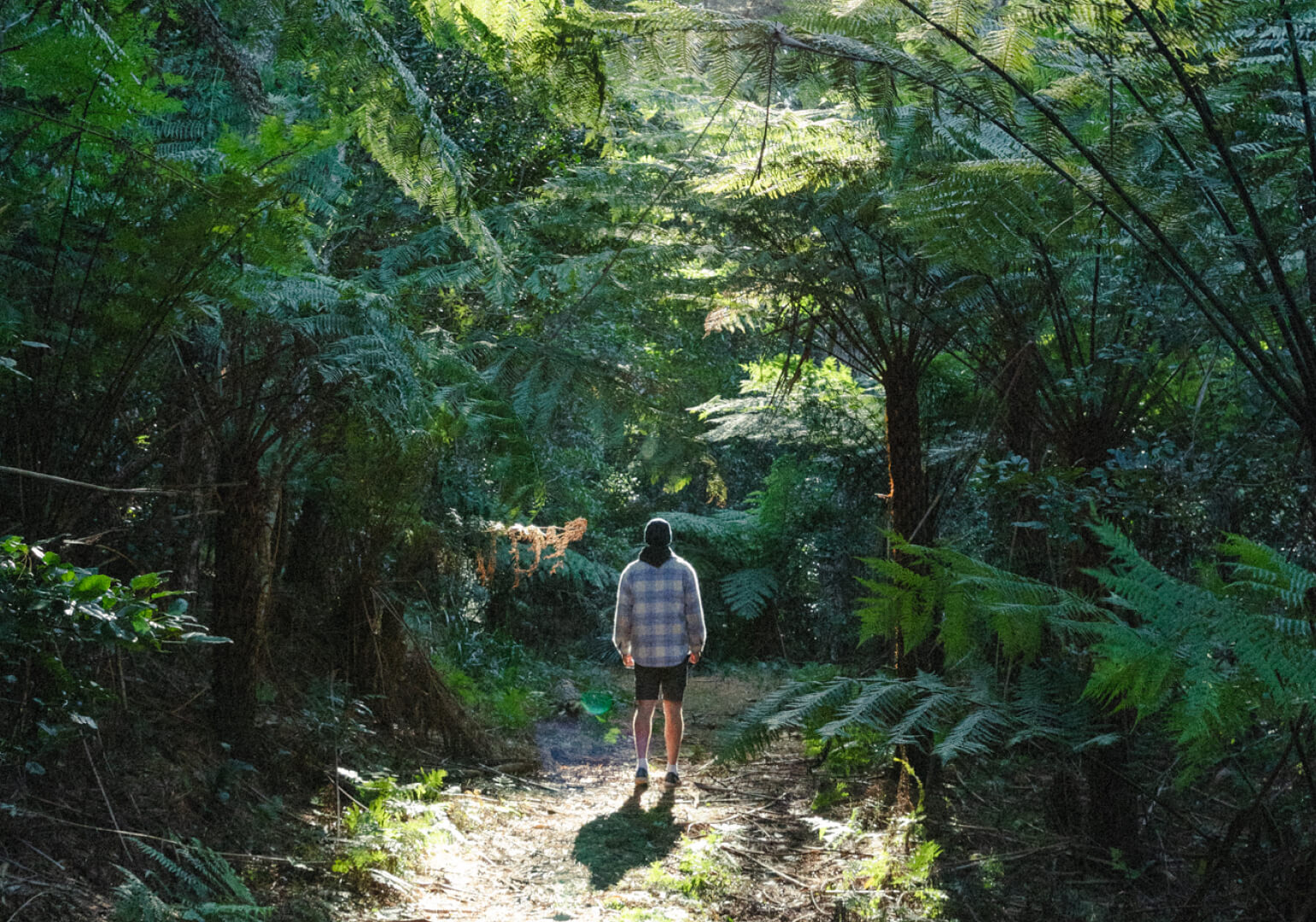
How to make it stick
🌳 Find the right forest. Pine, cedar, eucalyptus, and oak are heavy hitters when it comes to phytoncides.
🌳 Stay longer. Many of the long-lasting effects showed up after two or more days in nature. Not a sprint. Not a checklist. Just time.
🌳 Breathe like you mean it. Deep, intentional breathing helps your body absorb more of the good stuff. And slows your heart rate while you're at it.
🌳 Use all your senses. Touch the bark. Smell the air. Notice the patterns in the canopy. Multi-sensory experiences mean stronger effects.
🌳 Make it regular. Better to have small, consistent moments in nature than one big trip once a year.
Looking for a forest?
We’ve got a few. Sleep deeper. Breathe slower. Let the trees take over for a bit.