I’m a clinical psychologist and here's how I use nature to reduce stress and improve focus
Unyoked ambassador and clinical psychologist, Dr Aileen Alegado shares how time in nature helped her supercharge her mental health and wellbeing.
I’m a city girl at heart. I love my job working as a clinical psychologist for high achievers in one of the busiest business hubs in Sydney. It’s an honour to do work that is not only meaningful and rewarding, but something I continue to grow and learn from every day.
While there's no shortage of passion for what I do, it is not without challenges. The inherent struggles and mental load that comes from dealing with problems, negative thoughts and feelings, and the overall drain of the therapy—it can add up.
I feel the stress build up both physically and mentally over time, much like anyone in healthcare. Ongoing exposure to trauma narratives also can also create compassion fatigue which, if left unchecked, can lead to burnout, anxiety, and stress.
In theory, I’ve always known the health benefits of being in nature. Over the years, I've read plenty of research about forest bathing, ecotherapy and the positive impact of time spent in nature. But as the feeling of stress started to build up, I began to consider how nature could help me, and my clients. The only way to test my theory was to get out of the city and experience nature firsthand. So I set off on my first Unyoked experience.
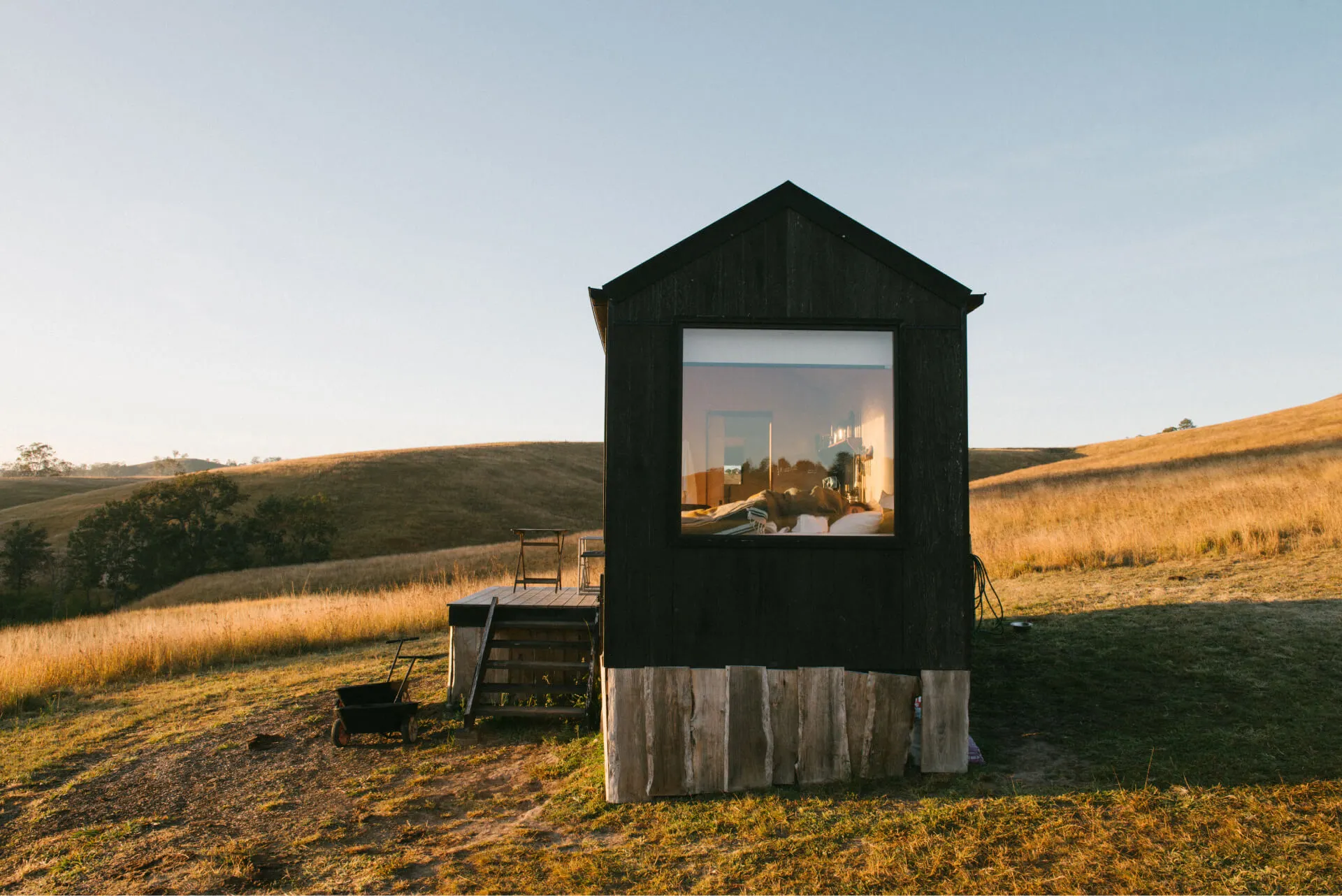
A clinical psychologist gets Unyoked
My destination? Dawn in Gloucester, just over 3 hours’ drive from Sydney, on the traditional land of the Gringai People.
After a short hike, I found my cabin, contained in a valley of trees and acres of lush green land stretching as far as the eye could see.
I was immediately struck by the thought that had gone into the cabin and its location.
Not your regular tiny home, the interiors were high-quality but pared back to ensure the nature surrounding the cabin was the main event. The cabin was stocked with all the essentials to allow me to unwind, albeit with an analog tilt-a hand grinder for my morning coffee, a tape deck for music and a yoga mat.
The simple life is so underrated.
The day of arrival, the slightly rainy and cold afternoon hindered me from being outdoors but this created an opportunity for me to get stuck into reading my book, a luxury that in daily life is often confined to bedtime. Slowing down also meant that I had the pleasure of mindfully cooking my dinner that evening, again something I normally do with a rushed feeling.
The next morning, I woke up early to birdsong and started the day with a guided yoga practice - thanks to the Unyoked provided cassette that was available. Conscious of my goal to take in as much of the nature benefits, I did a lot of exploring around the property and found myself a spot under a tree, next to the creek that provided such calming energy for me to write in my journal.
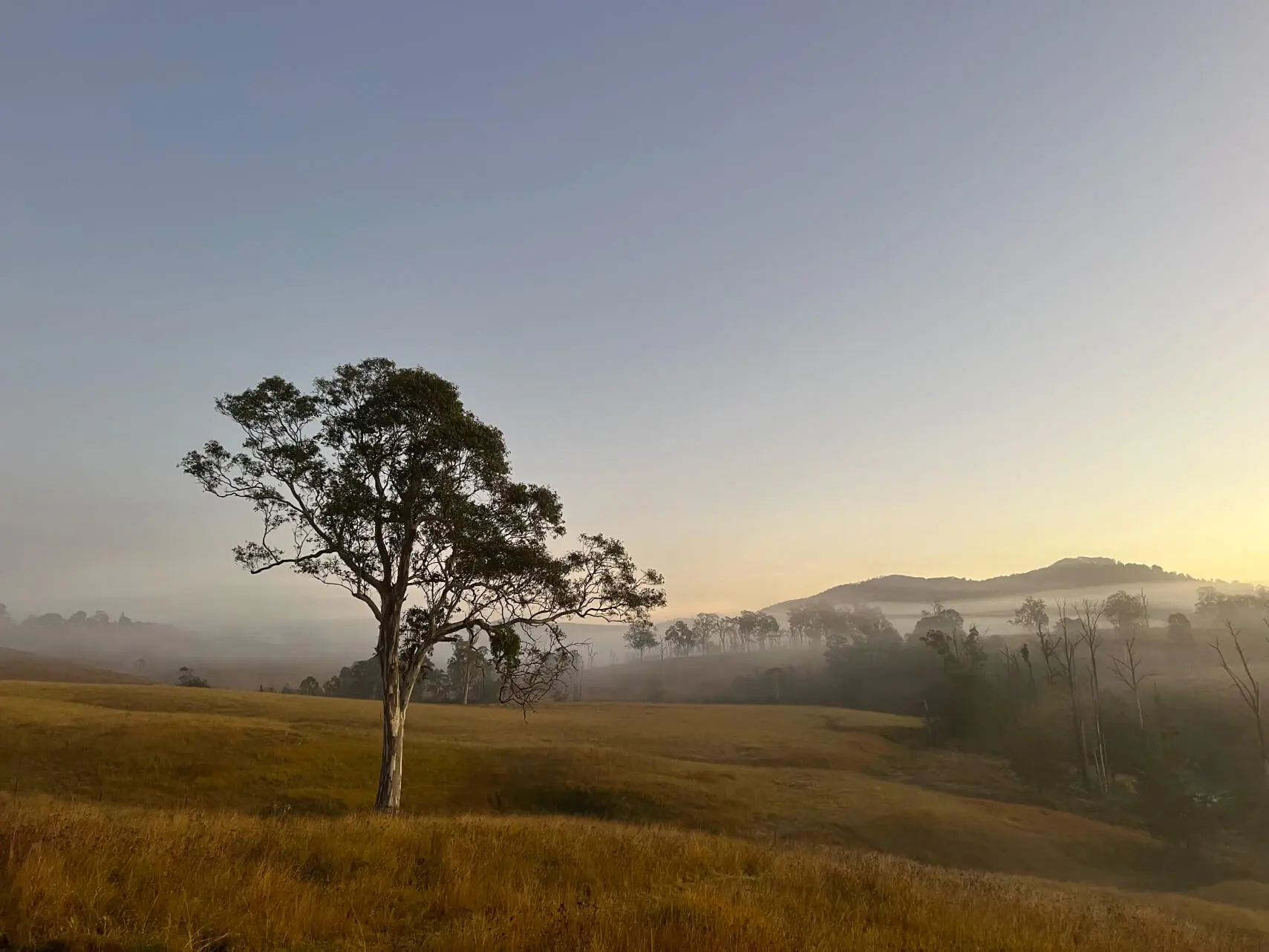
The Results
While I didn’t have the gadgets to check my pulse rate, heart rate variability, blood pressure, and cortisol levels; I felt noticeably lighter in myself. As if a weight was being lifted off my shoulders as I breathed in the fresh air.
Not only that, I found myself thinking more clearly about things. The type of clarity you feel after a great night’s sleep, with the sharpness of that first sip of coffee in the morning. Away from the noise of the city; the answers to problems that I had been stuck on seemed instantly clearer.
At the end of my stay, I couldn’t believe how relaxed I felt given the short amount of time I had away. Not only did the 2 days help reset my ‘busy brain’, I also felt more energised and motivated to get started on projects that I’ve been procrastinating on.
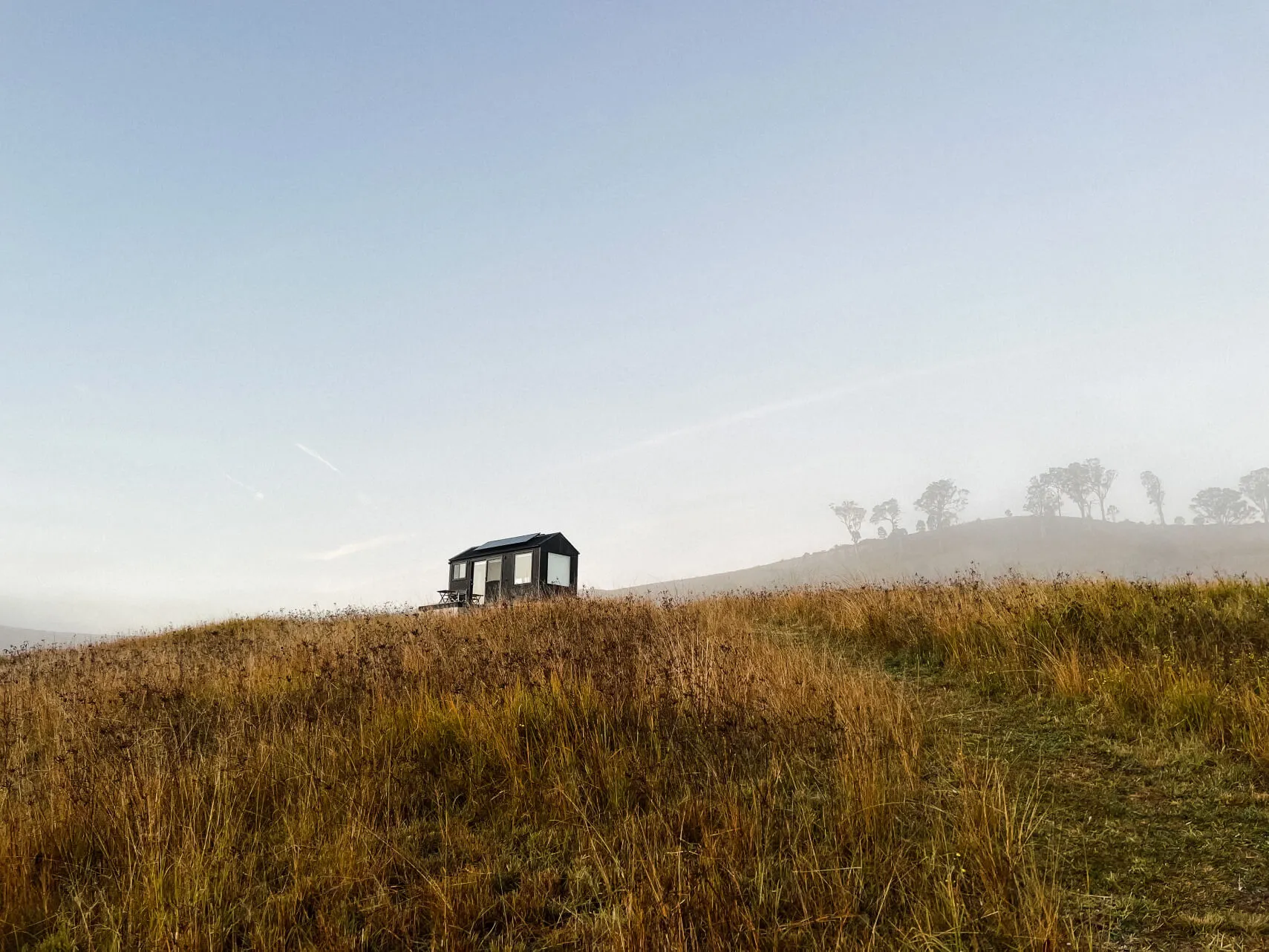
The science
So what was the science behind all these good vibes? One reason is cortisol–the hormone linked to many things related to inflammation and stress. A study by Hunter et al (2019) found that just one hour in nature can reduce your cortisol levels by 21.3%.
As well as reducing stress; time in nature has been linked to improved concentration and attention.
Introduced in the 1980s by Rachel and Stephen Kaplan, Attention Restoration Theory (ART) suggests that exposure to natural environments can help restore cognitive functions such as attention. Which can become fatigued or depleted due to the demands of modern life, such as technology use, noise, and multitasking. In 2012, researchers at the University of Kansas found that exposure to nature not only reversed the depletion of ART, but also led to improvements in divergent thinking, increased problem-solving abilities and greater creativity.
In short, the silence time in nature literally helps us to ‘think’ and be smarter as human beings.
Dr Aileen stayed at Dawn in Gloucester, 3 hours north of Sydney and 2 hours west of Newcastle, on the traditional land of the Gringai People.
Dr Aileen has partnered with Unyoked to bring you The MindREset program— a 6-week online course that combines the power of psychological tools with the healing properties of nature for your mind and body.
To find out more head to the Mindset Psychology website.