Here’s how nature helps you be more creative
We decided to take a creative inquiry into the influence of nature.
In the ever-evolving world of creative work, the demands are stacking up. Long hours, economic pressures forcing us to deliver more with less and the endless tech innovations to stay on top of are making us question our place in the creative process (again). That’s why we joined forces with our mates at Interbrand Australia to embark on a unique exploration. We posed a compelling question:
Can disconnecting from our usual environments and immersing in nature significantly impact our originality and creative output?
Finding creative inspiration in the natural world
The experiment involved us sending strategists, writers, and designers from Interbrand into the wilderness, equipped with the tools of their trade but encouraged to limit digital distractions. This research aimed to capture the influence of nature on the creative process and output through diary and video entries, evaluating work based on originality, craft, quantity, quality, and commerciality. Essentially, we wanted to know if being in nature helped them do creative work better.
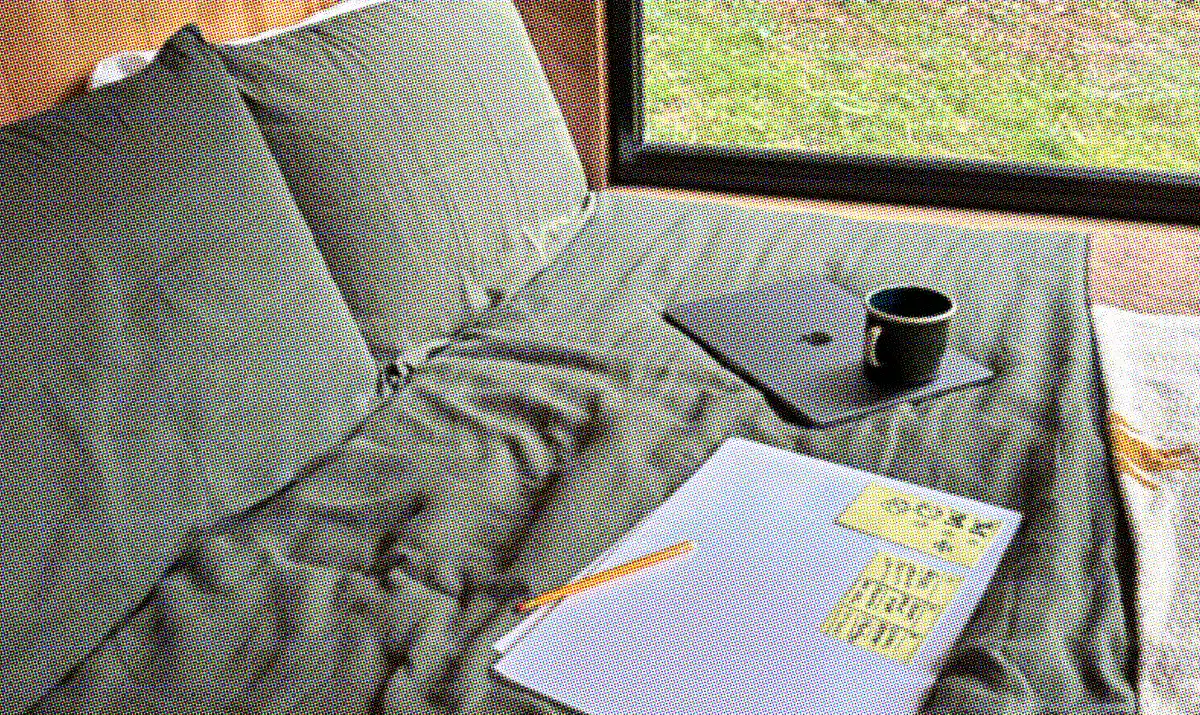
“After a bit of brainstorming, lots of outrageous things came out... maybe nature makes us even more open in that regard? There were no distractions, just the ideas.”
The science we followed
Our study joins a swelling field of scientific studies that seek to prove the connection between creative thinking and time in nature. Here’s a handful of recent discoveries that have arrived in tandem with our study:
Nature restores mental energy: The concept of "attention restoration" in nature helps rejuvenate depleted mental energy, facilitating creative thinking.
Exposure to nature enhances problem-solving and ideation: Time spent in nature has been shown to significantly boost creative problem-solving abilities.
Being outside promotes healthy brain development: Nature stimulates imagination and intellectual growth through multisensory experiences.
The link between increased time outdoors, physical activity and creativity: Physical health benefits from time spent in nature correlate with increased creativity.
Expansive thinking and awe: Experiences of awe in nature lead to expansive thinking, fostering innovative ideas.
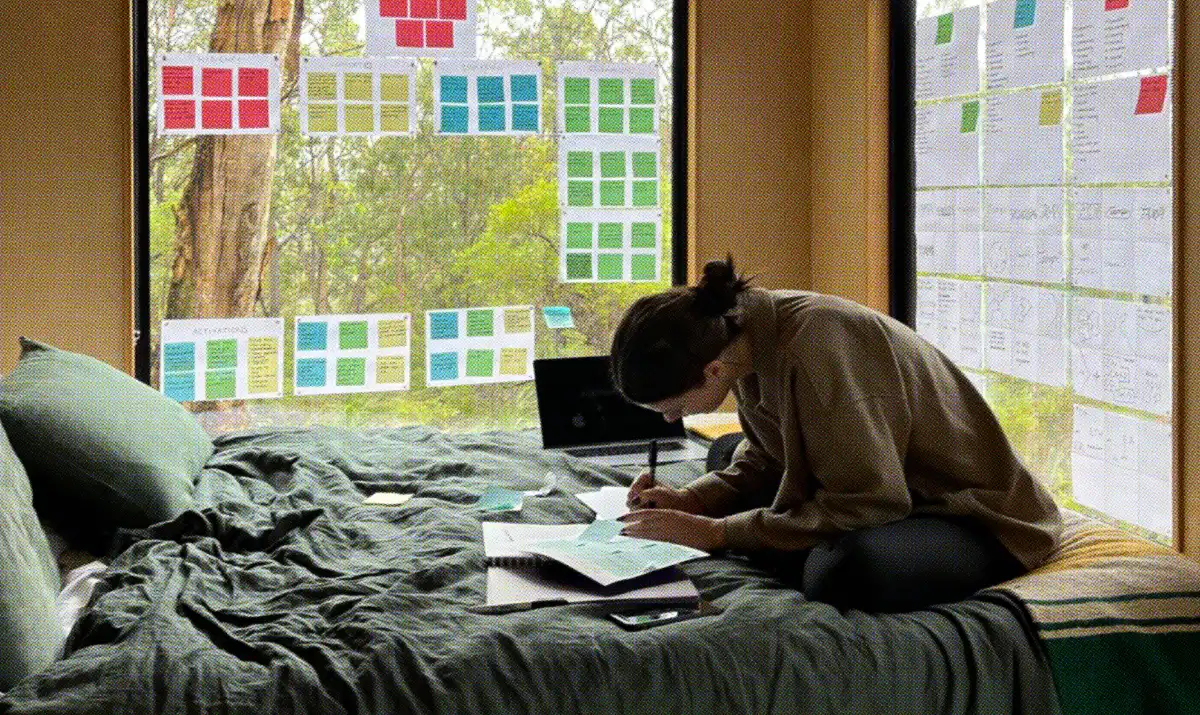
“I’ve used my cabin windows as break out spaces to think through concepts and have already progressed so much in the past two hours.”
Nature’s influence on some of history’s most notable creatives
History is littered with creative and business leaders who infused nature into their craft, using it for access to deeper thinking, fresh ideas or to get the space required to make those high-stakes company decisions. Here’s a few of our favourites:
Henry David Thoreau: Thoreau's seminal work, "Walden," is a testament to the profound impact of nature on creativity and thought. Living in a cabin in the woods near Walden Pond, Thoreau immersed himself in nature, finding it a source of boundless inspiration and insight into the human condition and society.
Steve Jobs: The co-founder of Apple was known for his long walks, which were not only a form of exercise but also a crucial part of his creative process. Jobs believed that walking, especially in natural settings, stimulated his creativity and helped him develop some of the most innovative technologies of the 21st century.
Albert Einstein: Einstein was another prolific walker who often took long walks in nature. He is known to have credited his solitary walks in the woods with helping him to develop his theory of relativity, demonstrating how nature can be instrumental in facilitating complex cognitive processes and groundbreaking scientific discoveries.
Beatrix Potter: Before she became famous for her children’s books, Potter was a natural scientist and conservationist deeply influenced by her time spent in the Lake District. Her detailed illustrations and stories, such as "Peter Rabbit," were inspired by the natural world she observed and cherished.
Georgia O'Keeffe: Renowned for her paintings of the American Southwest, O'Keeffe's work was deeply influenced by the natural beauty of the New Mexico landscape. Her art reflects how nature can inspire creativity, offering new ways of seeing and representing the world around us.
How to channel nature’s creative power like the greats
Embracing nature's role as a catalyst for creativity involves integrating it into daily life and work processes, much like the historical and contemporary figures of yesterday and today. Here’s how you can harness nature’s creative power:
Practical tips for nurturing creativity in nature:
Hack your workspace: Embrace the outdoors by adapting your environment to your creative needs, whether it's a pillow for a chair or a tree stump for a desk.
Go back to basics: Disconnect from digital distractions and embrace simple tools like pen and paper to capture your ideas.
Make time to look up: Allow nature's grandeur to inspire you. Take breaks to observe your surroundings and let the beauty around you fuel your creativity.
Break up the day with play: Incorporate relaxing activities into your day. Whether it's yoga, sketching, or simply lying in a hammock, find ways to unwind and recharge.
Don't force productivity: Remember that you can’t rush creativity. Allow yourself to breathe and reset, trusting that inspiration will come in its own time.
Get uncomfortable: Challenge yourself to step outside your comfort zone, recognising that discomfort can be a powerful catalyst for growth and innovation.
Create your own stimulus: In the absence of the external world and other people, find internal sources of motivation and inspiration, setting your own goals and challenges to keep the creative juices flowing.
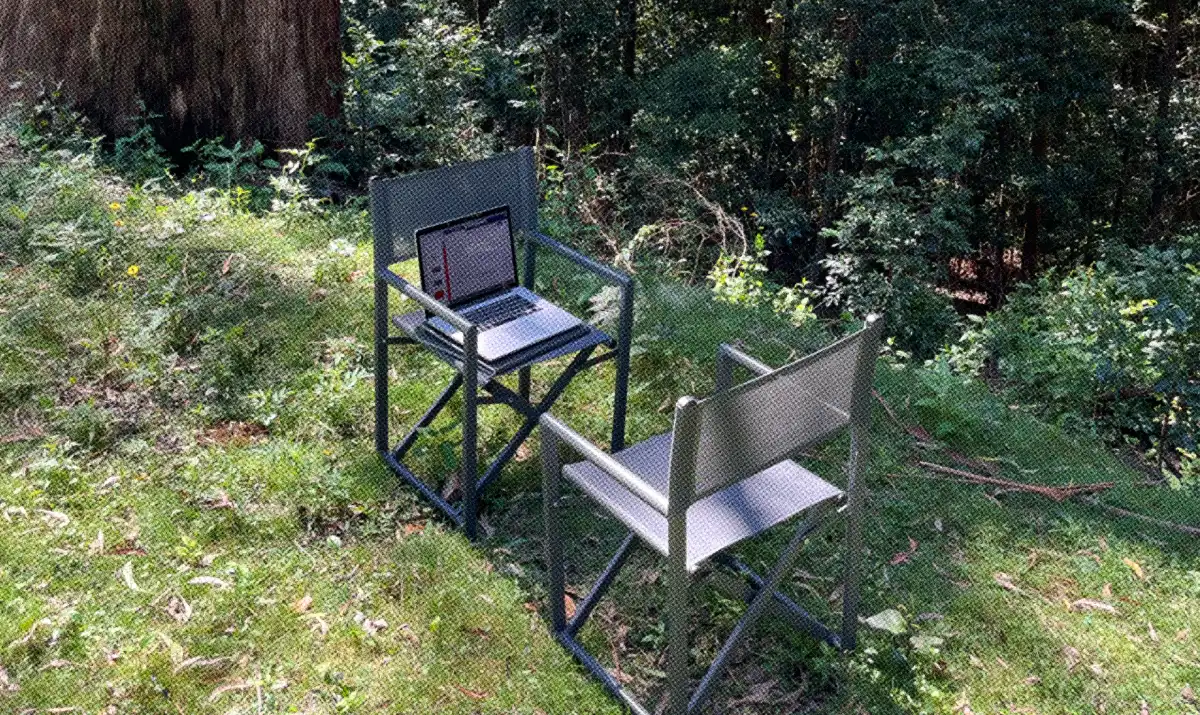
“It felt like I took more breaks while here, but also generated more ideas without all the outside distractions.”
The science is out there, and we’re stoked to be able to contribute to it. When you combine the stories of visionaries, artists, leaders and strategists who found inspiration in nature, paired with the scientific facts supporting nature’s role in our creativity and well-being, it’s clear that stepping into the natural world might also be the key to our creative potential. By adopting practices that bring us closer to nature, we not only pay homage to the great minds that have walked the path before us, but also open ourselves up to the possibilities that nature holds for enhancing our creative endeavors.
Read the Unyoked x Interbrand Nature of Creativity Report.
Ready to put your own creativity to the test (with a little help from the great outdoors)? Book a cabin.