Bad in Bed? 3 Things That Help You Sleep Better
No apps. No ambient whale sounds. Just real rest.
You know that feeling when you wake up and it takes you a second to remember where you are?
Not because you're disoriented, but because you actually slept. Like, fully slept. No midnight wake-ups. No 3am mind loops. No scrolling through obscure Reddit threads about whether you’re drinking too much caffeine (you are).
Just stillness. Depth. The kind of sleep that doesn’t feel like “good sleep.” It feels like you.
That’s the kind of sleep people find in our cabins. Not because we’ve engineered a pillow with twelve layers of memory foam, but because we’ve removed the things that get in the way.
Your body was built to sleep well. It’s modern life that’s messing it up.
We’ve been taught to track it, analyse it, “optimise” it with tech and supplements and subscriptions. But your body already knows how to rest; you just have to give it the right conditions. Darkness. Silence. Stillness. Safety. The gentle recalibration that happens when you're surrounded by trees, no blue light, no notifications, no noise pollution. Just circadian rhythm repair, cortisol recalibration, and the kind of sleep you don’t need a wearable to verify.
The Science of sleep
We’re not anti-data. But somewhere along the way, sleep became a performance metric. Track it, score it, optimise it.
But here’s what the science says: Sleep isn’t just important. It’s foundational. When you’re not sleeping well, every system in your body suffers. Mood, memory, metabolism, immune response - all regulated by your sleep cycles.
And yet, most of us are walking around with broken rhythms.
Your circadian rhythm is out of whack
Your circadian rhythm is a natural, internal clock that regulates your sleep-wake cycle. It’s triggered by light and temperature - two things that get seriously scrambled in modern life.
Artificial light, especially blue light, the kind that comes off your phone, your laptop, your overhead LEDs, disrupts your internal clock and suppresses melatonin, the hormone that tells your body it’s time to sleep. Exposure to short-wavelength blue light (~460 nm) has been shown to reduce melatonin production by up to 50% under typical evening lighting conditions [Brainard et al., 2001].
Translation: your brain thinks it’s still daytime. And good luck getting deep, restorative sleep when your hormones are stuck in daytime mode.
Natural light resets your internal clock
A 2013 study published in Current Biology found that just one weekend of camping without artificial light synchronised participants’ internal clocks to match natural sunrise and sunset times. Melatonin levels shifted earlier, and people reported falling asleep quicker and waking up feeling more refreshed - even without alarm clocks.
Nature does the heavy lifting. You just have to get out of the way.
Noise matters, too.
You might think you’re sleeping through city noise, but your brain doesn’t.
Studies by the World Health Organization found that exposure to noise above 40dB during sleep can cause fragmented rest, elevated stress hormones, and long-term cardiovascular risks - even if you don’t fully wake up.
Now imagine swapping that with total bush silence, or a creek trickling nearby. Your parasympathetic nervous system (the ‘rest and restore’ one) kicks in. And when that happens? You don’t just sleep. You repair.
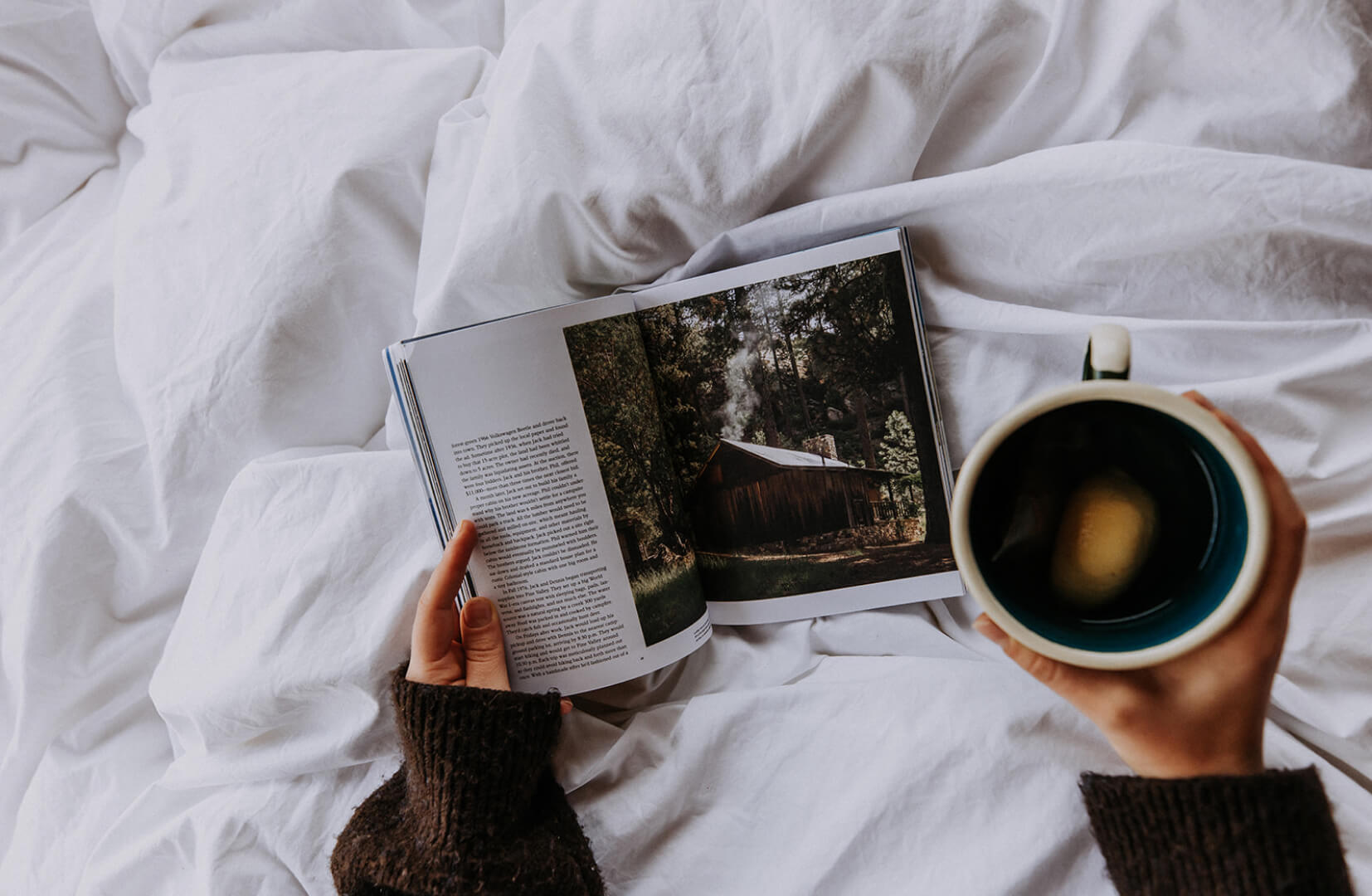
The Unyoked Effect
Guests tell us they sleep better after they leave.
Why? Because quality sleep isn’t just about what happens at night - it’s about the rhythm your whole day sets. The long walk. The sunlight on your face. The lack of pings and pings and pings. And that delicious post-fire calm that lingers for hours.
Even one night out here starts to recalibrate the whole system.
A few days? You’ll wonder why you ever needed a sleep score to know you felt good.
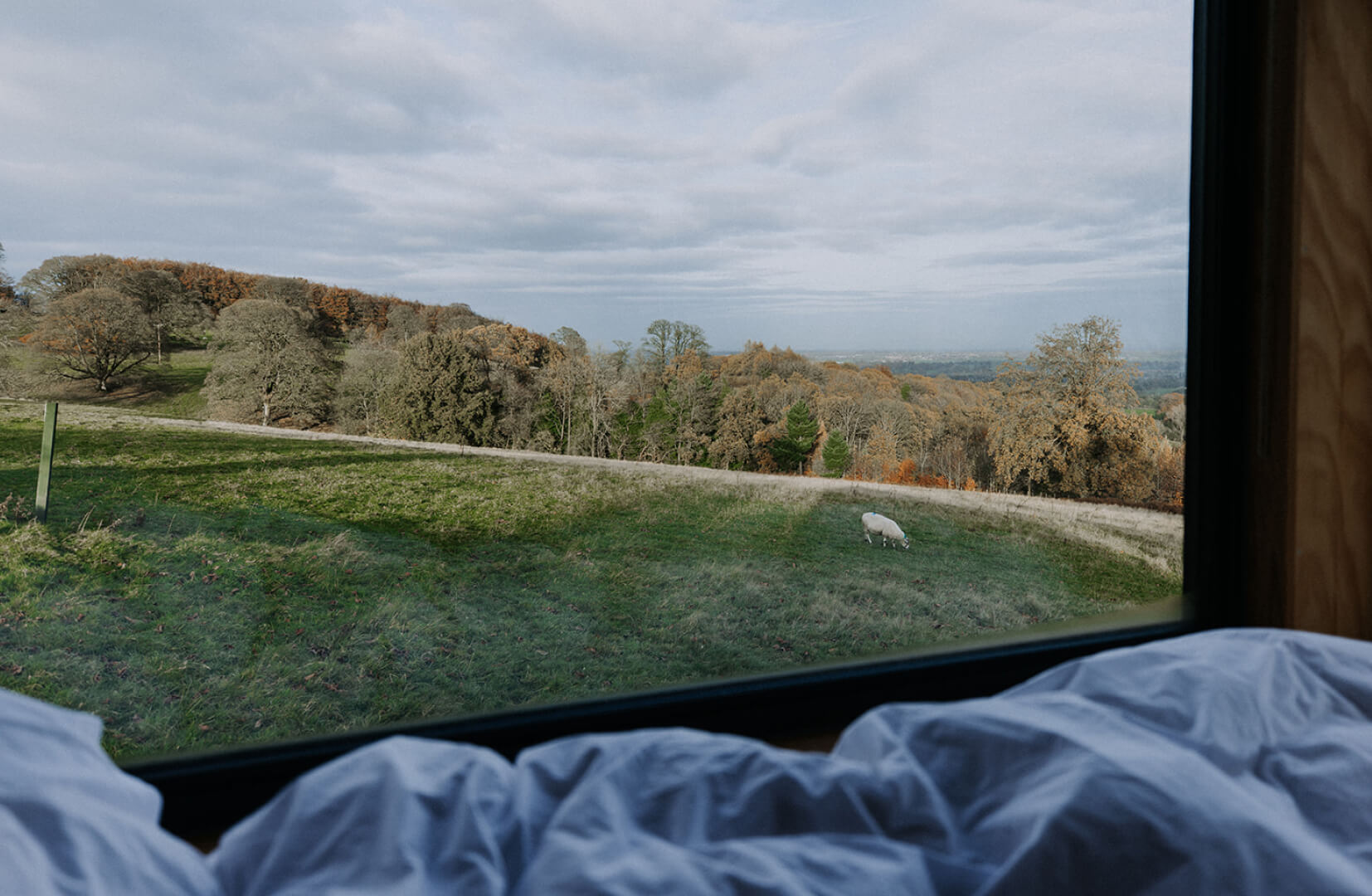
Put it into Practice
Simple steps. Real results. No mattress ads required.
1. Ditch the glow: Light pollution wrecks melatonin. Our off-grid cabins offer real dark—no TVs, no traffic, no powerlines. Just night as it should be. Your pineal gland will love it.
2. Drop the routine: No need to biohack your bedtime. Sit by the fire. Read by candlelight. Let your brain slow down and delta waves do their thing.
3. Follow the sun: Morning light resets your circadian rhythm. Wake with the sun, eat when you’re hungry, and fall asleep when your body tells you to.
4. Don’t force it: Trying to sleep better can backfire. Out here, your nervous system gets the memo for you. Stillness does what supplements can’t.
No alarms. No apps. Just this.
Book a stay. Let your body remember how to rest.